
 English

 WannaBoats Team
 Each winter, the warm waters of Samaná Bay transform into one of the world’s great whale theatres. Hundreds of humpback whales migrate from the icy North Atlantic to mate and calve in this sheltered corner of the Dominican Republic. The spectacular show of breaches, tail slaps and newborn calves has earned Samaná a place among the top ten whale watching destinations on the planet.
It’s estimated that more than 80% of North Atlantic humpback whales are born in these waters. In this guide, we explain why this region is so special, when to visit, and how to make the most of your adventure with WannaBoats.
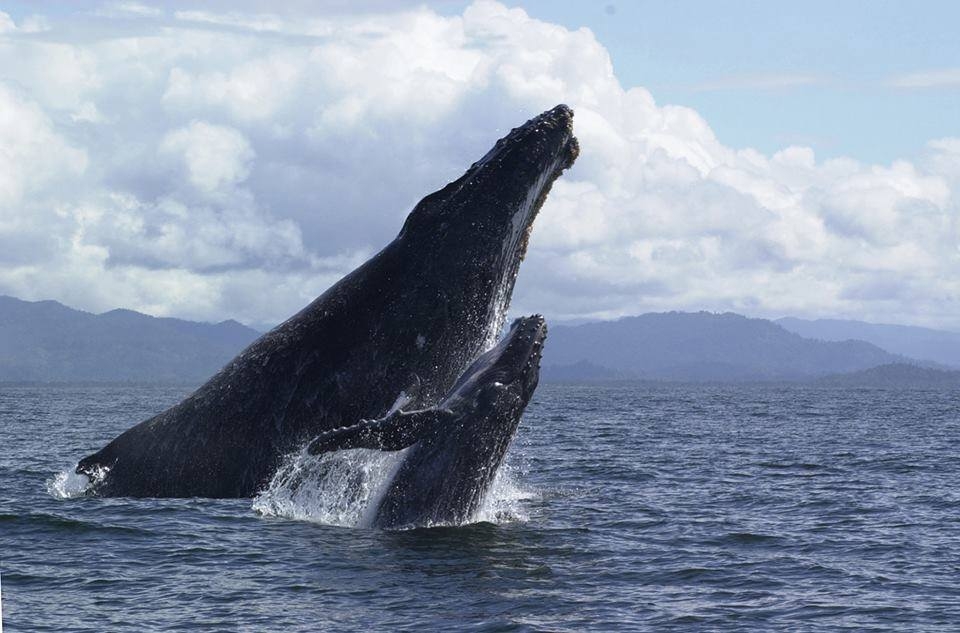
Why Samaná is a top whale watching destination
Samaná Bay’s unique geography—with its warm, sheltered waters and deep channels—creates an ideal nursery and mating ground. Every year between mid‑January and mid‑April, hundreds of whales gather here, filling the bay with haunting songs and dramatic breaches. This concentration of marine life, combined with the region’s natural beauty, makes Samaná one of the most reliable places in the world to see these giants up close. Because the majority of North Atlantic humpbacks are born here, responsible whale watching has been strictly regulated for decades to ensure their protection.
Whale watching season and best time to visit
The official season runs from mid‑January through the end of March, with peak sightings in February and early March. During this window, you’ll have the highest chance of seeing multiple pods and newborn calves. Tours depart daily from the port of Santa Bárbara de Samaná and Las Terrenas.
- Morning trips: Usually offer calmer seas and the best light for photography.
- Afternoon outings: Ideal for combining whale watching with a relaxing stop at Cayo Levantado (Bacardí Island).
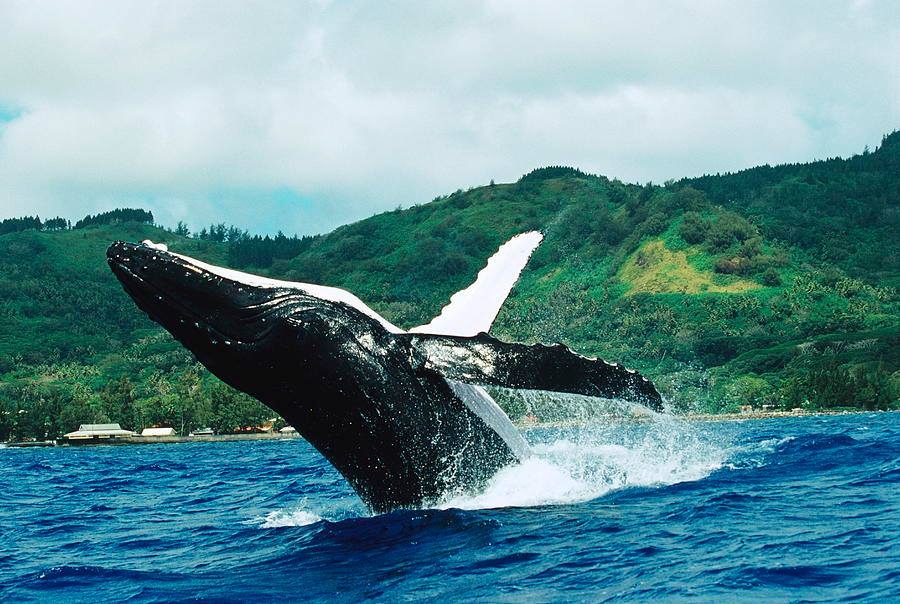
What to expect on a whale watching tour
Most excursions last between three and four hours. On a typical tour, you might witness a male humpback “pec-slapping” to attract a mate or a mother helping her calf to surface for its first breaths. To protect the animals, boats maintain a respectful distance, but these curious giants often approach the vessels on their own. We recommend wearing light clothing, a hat, and bringing a camera with a telephoto lens to capture the action.
Choosing the right tour: Shared vs. Private
You can join a shared boat or charter a private vessel for a more exclusive experience. While shared tours are affordable, private charters through WannaBoats allow you to tailor the itinerary. A private catamaran or motor yacht offers more comfort, shade, and the flexibility to combine whale watching with snorkeling in secluded spots or a private picnic on the beach.
Responsible whale watching and sustainability
Samaná’s whales are protected by strict regulations. Boats must stay at least 50 metres away from mother–calf pairs and move at slow speeds. When booking, always ensure your operator is licensed by the Dominican Republic’s Ministry of Environment. Observing quietly and respecting their space ensures these magnificent creatures continue to return year after year.
Explore more of Samaná
Beyond the whales, Samaná is a land of adventure. You can hike to the El Limón waterfall, paddle through the mangroves of Los Haitises National Park, or relax on the pristine sands of Playa Rincón. Foodies shouldn’t miss the local specialty: fresh fish prepared with Samaná’s famous coconut sauce.
Plan your whale watching adventure
Watching a 40-ton whale breach the surface is a life-changing experience. Due to the limited season and high demand, we recommend booking your trip well in advance. On WannaBoats.com, you can compare licensed operators and reserve the perfect boat for your group. Whether it’s a family trip or a romantic getaway, Samaná’s whale season is a once‑in‑a‑lifetime event you can’t afford to miss.